Effective inventory management plays an important role in choosing the right 3PL in Australia by clearly showing which capabilities a provider must offer, including strong tech, scalability, specialised handling, and efficient operations.
Good inventory management is the backbone of smooth logistics operations, fast order fulfilment, and happy customers. That’s why choosing the right 3PL starts with understanding your needs, like accuracy, real-time visibility, product types, and demand stability.
Keep reading to learn how to evaluate a potential 3PL partner’s inventory management and find one that truly supports your business growth.
Key Ways Inventory Management Affects 3PL Selection
Inventory management is important in choosing the right 3PL because it shapes the exact capabilities your third-party logistics provider must have. From technology to handling requirements, here are the key areas where your inventory needs directly influence your 3PL selection.
1. Technology and Systems Integration
A big part of choosing the right 3PL comes down to the technology behind its warehouse operations.
Your inventory management needs should guide what level of tech your 3PL must have. Ideally, they should offer an advanced Warehouse Management System (WMS). Their system should easily connect with your ERP or e-commerce platforms, so you get real-time visibility and accurate data across all channels.
Here are the key areas to focus on when assessing a 3PL’s technological capabilities.
Real-Time Data Visibility
Real-time stock visibility is non-negotiable because it helps you:
- Avoid stockouts and overselling
- Respond quickly to market changes
- Keep customers informed and confident
WMS Features and Capabilities
Look for a modern WMS with:
- Live dashboards and automated alerts
- SKU-level tracking
- Detailed reporting
- Easy integration with your ERP or online store
Seamless Systems Integration
A strong 3PL should connect smoothly with the tools you already use to:
- Improve customer experience through accurate tracking information
- Reduce manual data entry errors
- Automate reordering and stock updates

2. Scalability and Flexibility
When your inventory levels rise and fall throughout the year, you need a 3PL that can grow or adjust its operations with you.
Your current and future inventory volumes, along with seasonal spikes, should guide your choice. A scalable 3PL can quickly adjust space, labour, and resources, while flexible storage helps you avoid paying for unused space during slow periods.
Below are the key areas to consider when assessing a 3PL’s scalability and flexibility.
Inventory Patterns
Understand your typical volume changes, including:
- Seasonal peaks and promotional spikes
- Unexpected market shifts
- Growth plans, like new product lines or entering new markets
Scalability Features
Choose a 3PL provider with:
- The ability to expand warehouse space, equipment, and labour quickly
- Flexible contracts or pay-for-use pricing models
3. Specialised Handling and Storage Requirements
Some products need more than standard storage. They require specialised care to stay safe, compliant, and in good condition.
This is especially true for businesses handling food items, where choosing a 3PL with a certified food-grade warehouse becomes essential. Also, if you handle cold goods, hazardous materials, high-value items, or apparel that needs kitting, you’ll need a 3PL with the right expertise and facilities.
Here are the key considerations when evaluating a 3PL’s ability to manage specialised products.
Product Types Requiring Special Handling
- Cold or temperature-controlled goods
- Hazardous materials
- Delicate items
- Regulated goods
- High-value products
Qualifications of a Specialised 3PL
- Certified and properly trained staff
- Compliant, industry-standard facilities
- Specialised equipment like cold rooms, secure cages, or dangerous goods storage
Risks of Using a Non-Specialised 3PL Provider
- Product spoilage or damage
- Safety risks
- Regulatory issues or fines
- Increased insurance costs
4. Operational Efficiency and Inventory Accuracy
Smooth operations and accurate inventory tracking are essential for keeping customers happy and avoiding costly mistakes.
If you need real-time visibility to prevent stockouts or overstocking, your 3PL must use strong control systems, like barcode scanning, RFID technology, and routine cycle counts. Without this level of transparency, your business operations can face delays, errors, and unhappy customers.
When assessing a 3PL’s operational performance, be sure to consider the following.
Inventory Strategy Needs
Your inventory strategy affects the exact capabilities you need from a 3PL. For instance:
- High-turnover businesses require speed, automation, and fast fulfilment.
- Low-turnover or bulk storage needs efficient, cost-effective long-term solutions.
Operational Capabilities to Assess
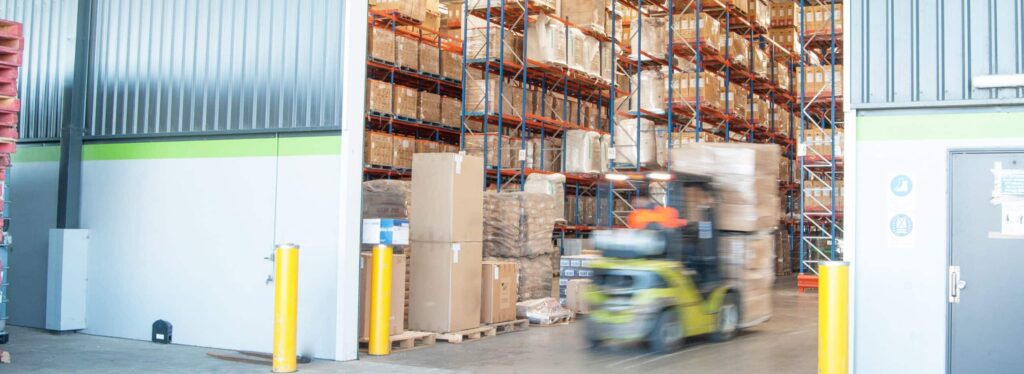
Look for core operational processes and systems that ensure smooth operations, like:
- Use of technologies like barcode scanning or RFID for higher accuracy
- Pick-and-pack processes, warehouse layout, automation, cycle counts, and quality control
5. Data Analytics and Forecasting
Data isn’t just numbers. It’s a powerful tool for keeping your inventory on track and your business running smoothly.
Choosing a 3PL with strong analytics capabilities can help you forecast demand accurately and optimise stock levels. This ability also ensures you have the right products in the right place without tying up unnecessary capital.
Focus on these key points when evaluating a data-smart 3PL.
Data-Driven Inventory Decisions
Modern inventory management relies on data to make smarter decisions, particularly on:
- Accurate forecasting to meet customer demands
- Replenishment planning to avoid stockouts
- Safety stock optimisation to buffer against surprises
Analytics Capabilities a 3PL Should Offer
Look for tools that provide logical insights and actionable recommendations, like:
- Inventory turnover reports and forecasting tools
- SKU performance analysis and placement suggestions
6. Returns Management (Reverse Logistics)
Managing returns is just as important as getting orders out the door.
A 3PL’s returns management or reverse logistics process should be fast, accurate, and aligned with your business needs to protect both inventory and your brand reputation. Efficient returns handling keeps stock levels correct, reduces losses, and keeps customers happy.
Here are the key areas to consider when evaluating a 3PL’s returns management capabilities.
Business Type or Industry
Certain industries see more returns than others, so choosing a 3PL with strong reverse logistics is vital. Some examples include:
- Apparel and fashion
- Electronics and gadgets
- Health and beauty products
- Online marketplaces and e-commerce stores
Features of a Strong Returns Process
Look for workflows that handle returns efficiently:
- Quick inspections and restocking
- Clear reporting of returned units
- Refurbishment options or proper disposal procedures
How to Evaluate a 3PL Based on Your Inventory Needs
Choosing the right 3PL starts with understanding what your inventory actually requires. Every business is unique, so taking time to assess your products, challenges, and goals will help you spot the partner that truly fits.
Here’s a checklist you can use.
Conduct an Inventory Assessment
Think about what your inventory demands day-to-day:
- Product complexity and handling requirements
- Type of goods (fragile, bulky, perishable, regulated, etc.)
- Volume spikes and seasonal changes
- Required system integrations
- Risk profile and accuracy needs
Questions to Ask Potential 3PL Partners
These help you uncover real capabilities:
- Can your WMS integrate with our systems?
- How do you handle stock discrepancies?
- Do you support advanced forecasting?
- What’s your strategy for peak-season scaling?
- How do you manage returns?
Red Flags to Watch For
Be cautious if you notice:
- Limited visibility or outdated systems
- Rigid contracts
- Weak reporting
- Little or no experience in your industry

Take the Next Step Toward Smarter 3PL Selection
Choosing the right 3PL starts with understanding your inventory: its complexity, seasonality, and the service levels your customers expect.
When you match these needs with a potential logistics provider, you reduce costs, improve accuracy, and gain the confidence to scale your business long-term. Before comparing 3PL providers, take time to assess your inventory strategy so you know exactly what support you need.
Ready to work with a strategic partner that understands real operational demands? Contact Effective Logistics on 03 8376 3300 or visit our contact page.