

A warehouse needs an integration of physical security measures, electronic surveillance, inventory management systems, and personnel protocols to protect its inventory.
Keeping your warehouse secure isn’t just about preventing theft. It also helps safeguard your business’s valuable products, maintain smooth operations, and avoid costly disruptions. From cameras to tracking devices, each security feature plays a role in protecting what you’ve worked hard to store and manage.
In this guide, we’ll cover the essential warehouse security features every business owner should know. It’ll help you spot the right warehouse provider and keep your inventory safe from the start.
Physical Security Measures
A warehouse’s physical security is the first line of defense against theft, vandalism, and other threats. Physical barriers not only protect your inventory but also give employees and visitors peace of mind. Here are some physical security measures to focus on.
1. Perimeter Security
When evaluating a warehouse partner, ensure the facility prioritises perimeter security. Key features to look for are:
- Tall fencing: At least 7 feet high to deter intruders.
- Anti-climb measures: Barbed wire or razor tape for extra deterrence.
- Reinforced gates: Strong, possibly automated gates for vehicles and pedestrians.
A warehouse with these features demonstrates a strong capability to protect your inventory.
2. Reinforced Entry Points
Even strong perimeter security won’t matter if intruders can slip through weak doors, windows, or loading docks. That’s why reinforced entry points are a key feature to look for when choosing a warehouse partner.
These include:
- Strong doors and windows: Durable locks, reinforced frames, and security bars or grilles where needed to prevent easy break-ins.
- Secured loading docks: Locking gates and constant monitoring at these high-traffic access points.
By strengthening every entry point, a warehouse makes unauthorised access much harder and keeps inventory safer from theft or damage.
3. Effective Lighting
Good lighting is more than just making a warehouse look professional. It’s a simple but powerful security feature.
Bright lighting minimises hiding spots for intruders, aids staff in recognising potential hazards, and enhances the effectiveness of surveillance cameras. When assessing a warehouse partner, consider the quality of lighting in both the facility’s interior and exterior.
Be sure your potential warehouse partner has the following:
- Well-lit spaces: Ensure exteriors, entryways, parking areas, and any potential blind spots are well lit to maintain visibility on the property.
- Motion-activated lights: These lights startle and deter trespassers while saving energy when areas aren’t in use.
Effective lighting is a low-cost, high-impact measure that protects your inventory, supports staff safety, and strengthens overall security, day or night.
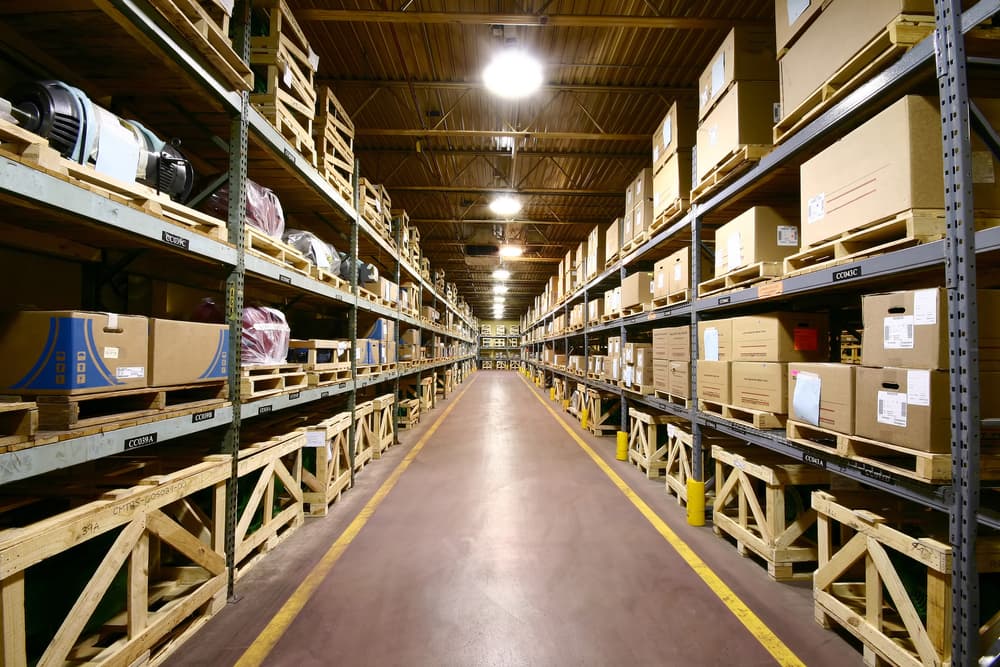
4. Secure Storage Areas
Secure storage areas are crucial for protecting high-value or sensitive items, providing you with peace of mind that your goods are safe within the facility.
Some key features to look for are:
- Locked zones: Designate specific areas, like security cages or rooms, for high-value or hazardous goods to keep them separate and protected.
- Extra layers of protection: Consider biometric locks, restricted access lists, and dedicated cameras to control who can enter these zones and monitor activity.
Facilities that prioritise controlled access and continuous monitoring ensure that your most valuable products remain safe while operations proceed without interruption.
Electronic Surveillance and Monitoring
Even with strong physical security in place, it’s important to have constant monitoring of your warehouse. Electronic surveillance aids in tracking activity, identifying threats early, and maintaining accurate records of events within the facility.
1. CCTV and IP Cameras
When evaluating a warehouse partner, look for a facility that uses:
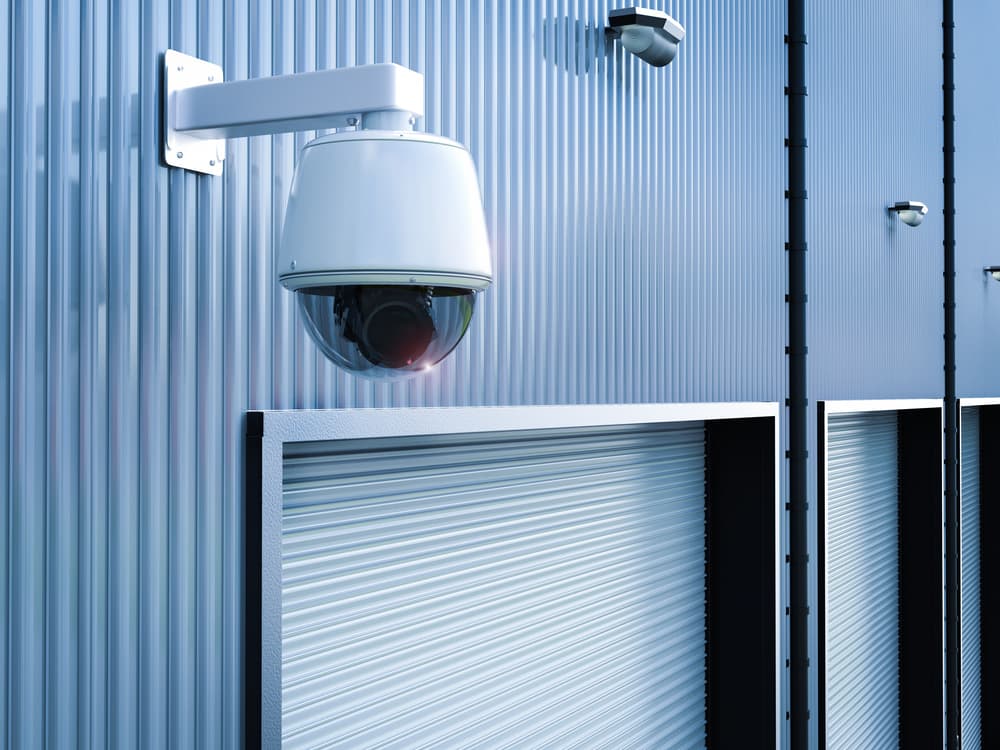
- High-resolution, night-vision cameras: A wide network of cameras inside and outside the building helps capture clear footage day and night.
- AI-powered systems: Smart cameras can detect unusual behavior, reduce false alarms, and alert staff faster.
- Secure video storage: Cloud-based backups make it easy to store, access, and review footage whenever needed.
Warehouses with good surveillance systems demonstrate their commitment to security, providing your inventory with continuous protection.
2. Alarm Systems
Even the toughest locks and cameras can’t do everything on their own. That’s where alarm systems step in. They act like your warehouse’s instant alert buddy, letting the right people know the moment something isn’t right.
Be sure to look for a warehouse that uses:
- Smart detection tools: Motion sensors, glass break detectors, and door/window contacts that detect trouble fast.
- Real-time response: Alarms linked to a monitoring centre or local police, so help is sent without delay.
A strong alarm system doesn’t just react. It also helps stop problems before they escalate.
3. Access Control Systems
Controlling access to different areas of a warehouse is critical for keeping inventory safe. Access control systems ensure that only authorised individuals can enter specific doors at the appropriate times.
A secure warehouse often uses the following for access control:
- Modern entry tools: Key cards, fobs, or biometric scanners, like fingerprint or facial recognition, to manage access.
- Digital entry logs: Automatic records that track who entered, when they entered, and which areas they accessed. These are helpful for audits and investigations.
Strong access control systems create accountability and reduce the risk of unauthorized entry.
4. Intrusion Detection Systems
Intrusion detection systems act like an extra set of eyes, constantly watching for anything out of the ordinary. They help catch threats early, sometimes even before a break-in happens, so your inventory stays protected around the clock.
Examples of these systems include:
- Perimeter sensors: Devices placed around fences, gates, and exterior walls that trigger alerts if someone tries to breach the property.
- Interior sensors: Motion detectors and other sensors inside the facility that notify staff of any unauthorised movement.
With the right intrusion detection systems in place, a warehouse can instantly respond to issues.
Inventory Management and Cybersecurity
Ensuring the safety of inventory goes beyond locking doors and installing cameras. In today’s environment, warehouses must also implement digital systems to track inventory and protect data against cyber threats. Effective inventory management and cybersecurity go hand in hand to minimise losses, enhance visibility, and maintain smooth operations.
1. Real-Time Inventory Tracking
A warehouse partner should use tools that let you see where your products are at any moment. Look for:
- A Warehouse Management System (WMS): Systems with barcode or RFID technology make checking items in and out faster, more accurate, and less prone to human error.
- Real-time tracking: Knowing exactly when and where inventory moves helps you spot discrepancies quickly and prevent issues like misplacement or shrinkage.
Using real-time tracking demonstrates a warehouse’s commitment to safeguarding your physical goods and the digital information behind them.
2. Regular Audits
Regular audits help keep any warehouse honest, accurate, and secure. They make it easier to spot problems early, whether it’s missing stock, system errors, or suspicious activity. A warehouse partner that performs consistent checks shows they care about keeping your inventory and data protected.
Look for a warehouse facility that:
- Runs frequent physical audits: Counting and verifying items in person to catch shortages or errors quickly.
- Conducts digital audits: Reviewing system records to ensure everything matches real-world inventory.
- Uses unannounced checks: Surprise audits help deter theft and uncover issues that scheduled checks might miss.
With regular audits, your operations stay transparent, accurate, and safe.
3. Cybersecurity Measures
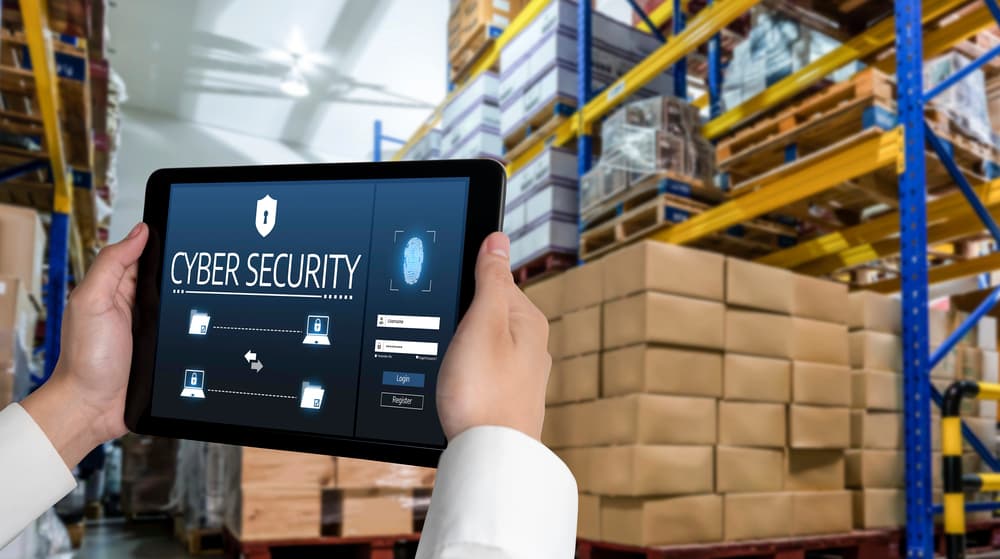
Protecting inventory isn’t just about guarding the warehouse. Digital systems need strong security, too. Cybersecurity measures help keep data safe from hackers, errors, and unauthorised access, giving you confidence that your records and operations are secure.
Here are some cybersecurity measures to look for in a potential warehouse partner:
- Strong system protections: Firewalls, encryption, and multi-factor authentication (MFA) to block unauthorized access.
- Smart password practices: Clear password rules and regular updates to keep accounts secure.
- Routine software updates: Keeping programs up to date reduces the risk of system weaknesses or manipulation.
Good cybersecurity keeps your digital assets just as safe as your physical ones.
Personnel and Security Protocols
Strong personnel protocols make sure the team handling your inventory is trustworthy, well-trained, and prepared to respond to risks.
1. Employee Background Checks and Training
People working inside the warehouse have direct access to your goods, so careful hiring and training are essential. Look for a facility that uses:
- Thorough background checks: Screening all new hires, especially those managing inventory or operating security systems, to reduce internal risks.
- Ongoing security training: Teaching employees how to recognise suspicious behaviour, follow security procedures, and report concerns quickly.
When warehouse staff are vetted and trained, you gain confidence that your inventory is in good hands and your operations remain safe and smooth.
2. Clear Security Policies
Well-defined security policies set expectations and make it easier to respond quickly if something goes wrong.
A secure warehouse enforces:
- Visitor management: All guests must sign in and be escorted while on the premises.
- Employee ID badges: Staff wear visible identification to ensure only authorised personnel have access.
- Incident reporting procedures: Clear steps for reporting suspicious activity or security breaches help problems get resolved fast.
Clear policies create accountability, reduce confusion, and ensure everyone, from employees to visitors, knows how to help protect your inventory.
3. Emergency Planning
A warehouse with clear emergency procedures protects people, inventory, and operations when the unexpected happens.
This facility often has:
- Detailed response plans: Step-by-step procedures for fires, natural disasters, or security breaches.
- Evacuation routes: Clearly marked paths to get everyone out safely.
- Communication plans: Ways to quickly notify staff, emergency services, and management.
- Recovery steps: Instructions to resume operations and safeguard inventory after an incident.
Warehouses with well-prepared emergency plans show they’re proactive, keeping people and products safe no matter what comes up.
4. Regular Security Assessments
Regular assessments help catch weak spots before they become problems and ensure systems and procedures stay up to date.
A warehouse provider that performs security assessments prioritise:
- Periodic audits: Check physical security, electronic systems, and personnel protocols on a set schedule.
- Proactive updates: Use assessment results to fix vulnerabilities, upgrade technology, or adjust policies before issues occur.
With regular security assessments, a warehouse demonstrates a commitment to continuous improvement. This proactive approach keeps inventory safer and reduces risks.

Take Action to Choose a Secure Warehouse
A truly secure warehouse isn’t just about locks or cameras. It’s a facility designed to protect your inventory at every level. When evaluating a provider, look for a combination of strong physical infrastructure, advanced technology, and trained personnel.
Key features to consider include: high-quality perimeter fencing and reinforced entry points, bright and effective lighting, and secure storage zones. Electronic surveillance, real-time inventory tracking, cybersecurity measures, clear personnel protocols, emergency planning, and regular security assessments are also important.
By checking these elements, you can identify weak points in your current setup and choose a warehouse partner that prioritises safety, accountability, and smooth operations.
Contact Effective Logistics on 03 8376 3300 or visit our contact page for warehousing services with security at their core.
