
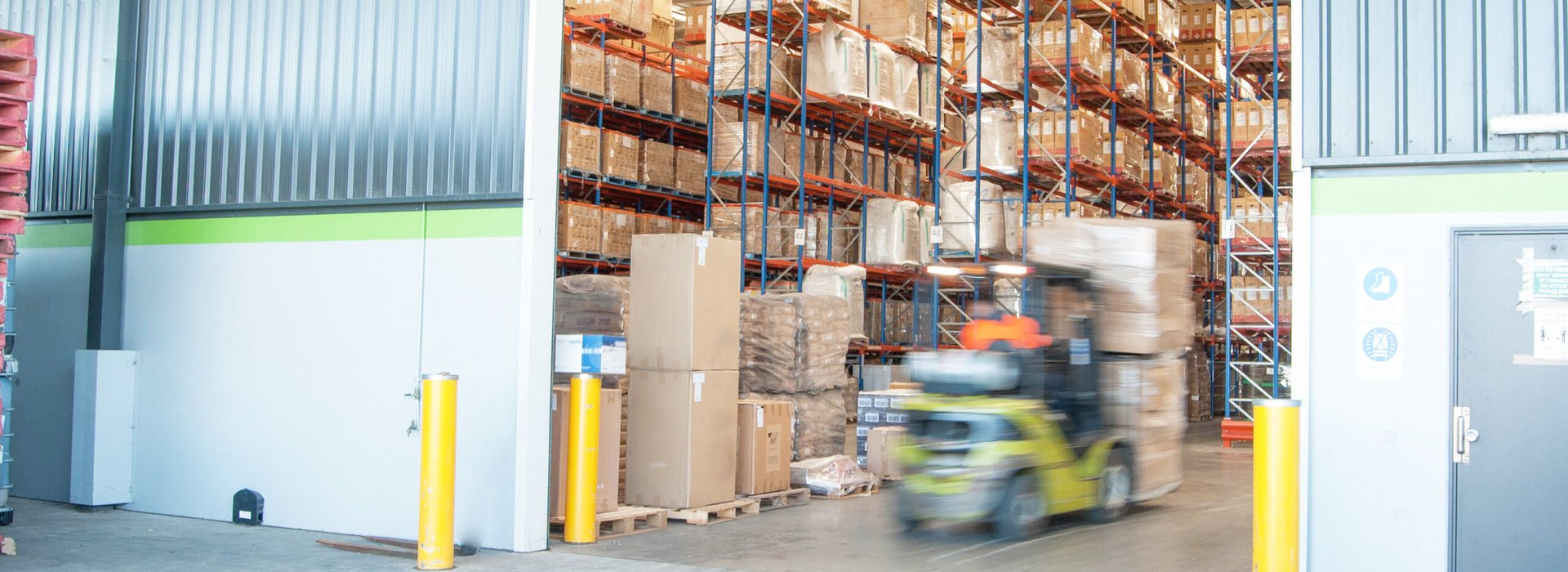
When choosing a warehouse partner, deciding between manual and automated material handling equipment comes down to how well their setup matches your operational needs. Key factors include order volume and throughput, upfront cost versus long-term investment, flexibility, safety, and the availability and cost of labour.
Material handling equipment (MHE) is the muscle of a warehouse. From forklifts and pallet jacks to conveyor systems and robotic arms, the right equipment keeps goods moving efficiently, safely, and accurately.
In Australia, the landscape is changing fast. Rising labour costs and ongoing workforce shortages are prompting more businesses to adopt smarter, more automated solutions.
This guide will highlight what to look for in a warehouse partner. We’ll help you choose one with the right material handling capabilities to support your inventory today and as you grow.
1. Evaluate Operational Volume and Demand Predictability
Before choosing a warehouse partner, ask this first: how much inventory moves through the warehouse and how consistently? Understanding your daily and peak “traffic” helps determine whether manual handling or automation is the better fit.
Manual material handling works well for businesses that are still scaling or experience frequent changes in demand. It’s often the right choice when:
- Low to medium volumes: You’re not moving thousands of units every hour.
- Seasonal or variable demand: Workloads fluctuate because of promotions, projects, or peak seasons.
- Human decision-making is required: Tasks need on-the-spot judgment, custom handling, or frequent adjustments.
Automated material handling, however, ensures speed and consistency. It suits operations with:
- High, predictable volumes: Repetitive workflows that follow a steady pattern.
- Continuous operation: Automated systems operate 24/7 without fatigue, keeping output consistent.
- Fast-moving industries: Well-suited to eCommerce and large-scale retail replenishment.
What to Look for in a Warehouse Partner
Look for a provider whose handling systems align with your current volume and can scale smoothly as demand becomes more predictable.
2. Analyse Material Characteristics and Inventory Complexity
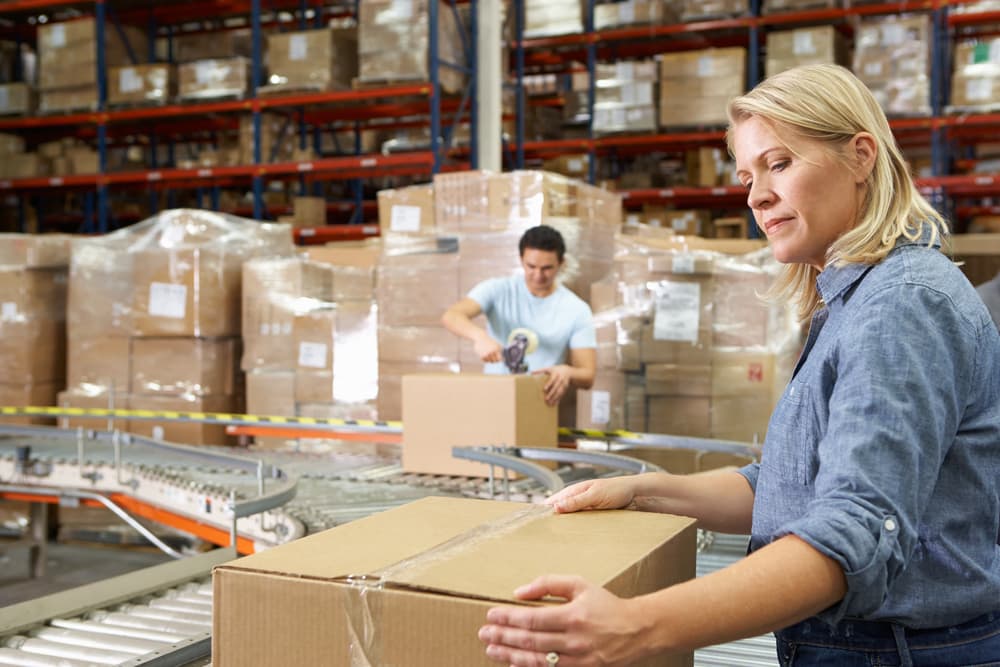
Next, consider the physical nature of the products you’re storing and moving. The key question is: what exactly are you handling? It’s not possible to move every item the same way. A delicate glass product, for example, requires a very different approach than bulky timber or stone.
Manual handling is often the better option when your inventory includes:
- Unique or irregular items: Fragile, high-value, or awkwardly shaped products that don’t fit standard cartons.
- Non-standard handling requirements: Items that need careful positioning, inspection, or customised packing.
- Mixed or complex orders: Common in industries where each order contains different SKUs, sizes, or packaging types.
Automated handling performs best in more structured environments, and modern systems are becoming increasingly capable. Warehouse automation is well-suited to:
- Standardised units: Uniform cartons, pallets, or totes that move repeatedly through the same process.
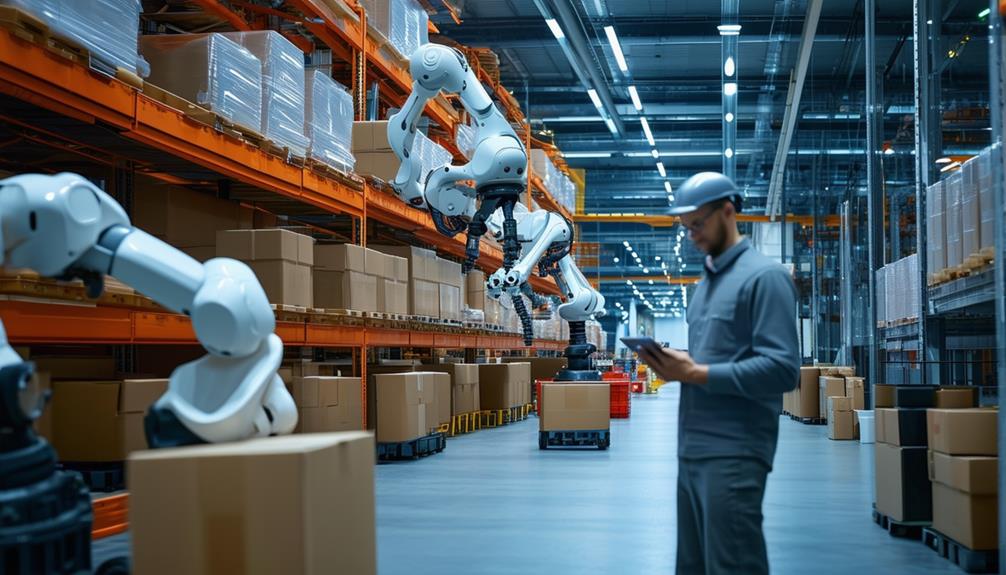
- Heavy loads: Technologies such as vacuum lifters and robotic arms can safely handle materials like stone, timber, and glass while reducing manual strain.
- Damage-sensitive operations: Precise, repeatable movements often reduce drops, impacts, and handling errors.
What to Look for in a Warehouse Partner
Choose a warehouse partner with proven experience handling products like yours. Ask about the types of inventory they manage today and request evidence of specialised equipment or automation if your goods require it. The right warehouse won’t just store your products. It will handle them correctly and consistently.
3. Consider Facility Layout and Physical Constraints
Even the best material handling technology won’t perform well if the building can’t support it. When assessing potential warehouse partners, ask a critical question: Does the facility layout actually support the equipment being used? The physical structure of the warehouse needs to match its handling systems.
Manual material handling is often the easiest fit across a wide range of facilities because it offers:
- Layout flexibility: Well-suited to older warehouses or sites with narrow aisles and irregular layouts.
- Minimal setup requirements: Operating does not require major changes to floors, ceilings, or walls.
- Easy reconfiguration: You can adjust shelving, workstations, and traffic flow quickly as needs change.
Automated material handling systems typically require more planning and infrastructure to operate efficiently:
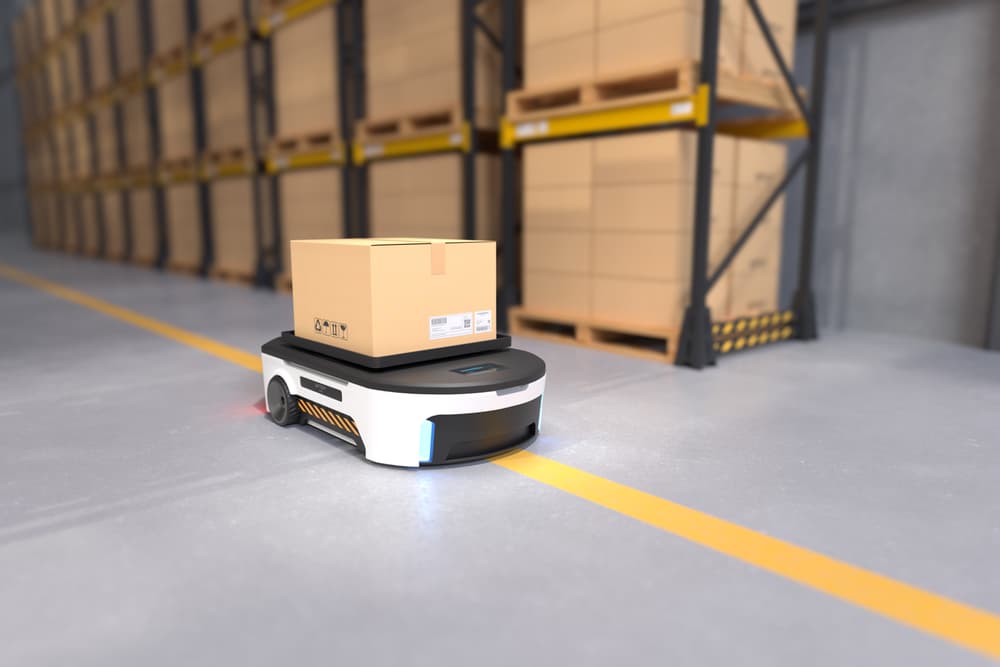
- Infrastructure requirements: Reinforced floors, higher ceilings for vertical racking, or dedicated paths for automated guided vehicles (AGVs).
- Space-optimising technology: Modern solutions such as vehicle turntables and compact automation help improve efficiency in smaller or constrained spaces.
- Purpose-built facilities: Automation performs best in modern warehouses designed specifically for high-throughput and technology-driven operations.
What to Look for in a Warehouse Partner
Look for a provider whose warehouse layout supports your inventory flow today and won’t limit you tomorrow. A strong warehouse partner will not only have the right infrastructure in place but also the ability and willingness to adapt layouts as your volumes, product mix, or processes evolve.
4. Analyse Costs for ROI and Total Cost of Ownership
Cost is often the biggest factor when choosing a warehouse partner, but the cheapest option upfront isn’t always the most cost-effective. The key question to ask is: what makes financial sense both now and in the long term? This means looking beyond the initial price and considering the total cost of ownership (TCO), including labour, maintenance, errors, and injury risk.
Manual handling is often the preferred starting point for businesses focused on flexibility and lower entry costs:
- Lower upfront investment: Equipment, like pallet jacks, trolleys, and forklifts, costs significantly less than automated systems.
- Faster short-term ROI: Small and growing businesses can see returns quickly without heavy capital outlay.
- Ongoing labour dependence: As volumes increase, costs rise with additional staffing, training, and turnover.
Automated handling is a longer-term investment that becomes more attractive as operations scale, especially in Australia:
- Higher initial capital cost: Automation requires significant upfront spending on equipment and infrastructure.
- Reduced long-term operational costs: Savings come from lower labour requirements, fewer handling errors, and improved consistency.
- Protection against labour pressures: With rising wages and ongoing workforce shortages in Australia, warehouse automation helps stabilise costs and maintain throughput.
What to Look for in a Warehouse Partner
Choose a provider that is transparent about pricing and can clearly explain how their handling systems reduce your overall costs. The right partner will support their claims with real performance data and proven outcomes, not just impressive technology.
5. Check Safety, Ergonomics, and Compliance
Workplace safety should be a non-negotiable when choosing a warehouse partner. The key question to ask is: how does their material handling approach protect people on the floor? Whether tasks are manual or automated, the impact on worker safety and compliance matters.
Manual material handling places greater physical demands on workers and comes with specific risks:
- Higher injury risk: Repetitive lifting, bending, and carrying increase the likelihood of musculoskeletal and back injuries.
- Ongoing training requirements: Staff need regular instruction and supervision to maintain safe lifting and handling practices.
- Increased liability exposure: Higher injury rates can lead to more workers’ compensation claims and downtime.
Automated material handling systems, on the other hand, can help reduce exposure to common warehouse hazards:
- Reduced human risk: Warehouse automation keeps workers out of high-risk zones such as heavy lifting areas or fast-moving equipment paths.
- Consistent handling of heavy loads: Robots and automated systems manage repetitive and heavy tasks without fatigue or injury.
- Stronger compliance support: Automated processes help warehouses meet Australian workplace health and safety (WHS) standards more consistently.
What to Look for in a Warehouse Partner
Look for a provider with a proven safety record and well-documented procedures. A strong warehouse partner will demonstrate a genuine commitment to ergonomics, proactive injury prevention, and ongoing compliance, not just minimum legal requirements.
Choose the Right Material Handling Setup for Your Business
There’s no one-size-fits-all answer when choosing between manual and automated material handling. The best choice depends on your inventory type, order volume, and where your business is heading next.
A good warehouse partner won’t just show their equipment. They’ll explain why it’s used and how it supports your daily operations and long-term growth.
Before deciding, evaluate how their systems handle your products and scale with demand. If you want help finding the right fit, contact Effective Logistics on 03 8376 3300. You can also visit our Services page to see how our operations can support your business.
