

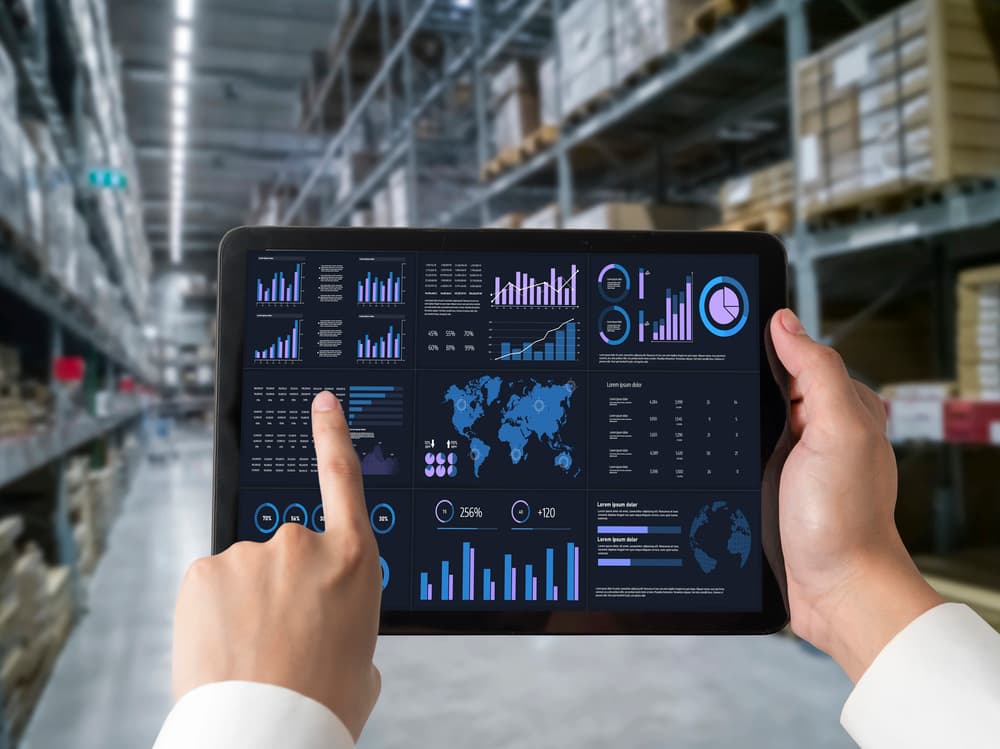
Data analytics plays an important role in modern warehouse management by enhancing operational efficiency, improving inventory management, and boosting profitability. It also enables businesses to make informed decisions by identifying inefficiencies, lowering costs, increasing order accuracy, and providing more accurate demand forecasts.
Warehouses today have moved far beyond manual checklists and guesswork. They now rely on real-time data to run faster and smarter. For business owners working with 3PL partners, this means better visibility, fewer errors, lower costs, and stronger overall performance.
If you want a clearer picture of how data improves your bottom line, here’s what you need to know.
Driving Operational Efficiency
One of the biggest advantages of data analytics in modern warehouses is how much smoother and faster it makes day-to-day operations.
Instead of guessing what’s working and what’s not, warehouse teams and their 3PL partners can rely on real data to improve layout, speed up workflows, and manage staff more effectively.
Here’s how data analytics ensures efficient warehouse services.
1. Warehouse Layout Optimisation
Data helps identify the best warehouse layout and map how goods move through the facility. By using heatmaps and item velocity reports, high-demand products are closer to packing stations. This leads to:
- Faster picking and packing
- Less walking time for staff
- Lower overall labour costs
2. Workflow Optimisation
Analytics also identifies bottlenecks in picking, packing, receiving, and dispatch. Many 3PLs use real-time dashboards to track throughput and quickly adjust staffing or processes. This results in:
- Shorter lead times
- Smoother daily operations
- Better customer service
3. Smarter Labour Allocation
Data analysis simplifies staffing planning by examining order trends, peak hours, and seasonal patterns. Also, productivity metrics highlight areas needing extra training or support. These insights lead to:
- More accurate workforce planning
- Less overtime or unnecessary labour expenses
- Stronger team performance overall
Enhancing Inventory and Order Management
Data analytics doesn’t just make a warehouse run faster. It also helps keep your stock levels healthy and your orders accurate.
By understanding what’s moving, what’s not, and where mistakes happen, businesses and their 3PL partners can keep customers happy while avoiding costly problems.
The following are examples of how data analytics supports your inventory and orders.
1. Accurate Demand Forecasting
Forecasting tools use historical sales data, buying trends, and market conditions to predict what products you’ll need and when. This helps you:
- Keep the right amount of stock on hand
- Avoid stockouts that slow down sales
- Prevent overstocking that ties up cash
2. Higher Order Accuracy
Data can highlight patterns like picking mistakes, packing errors, or repeated SKU mix-ups. Once these issues are identified, 3PLs can roll out targeted training or use automation. This leads to:
- Fewer customer complaints
- Lower return rates
- A smoother fulfilment experience
3. Risk Mitigation and SKU Monitoring
Analytics can identify high-risk inventory items, such as those that move slowly, are prone to damage, or have expiry concerns. Recognising these issues early enables businesses to take proactive measures before problems escalate, resulting in:
- Better stock control
- Proactive problem solving
- Reduced losses and write-offs
Reducing Costs and Increasing Profitability
Another key strength of data analytics is its power to lower warehousing costs without affecting quality or customer experience.
By running a smarter, more efficient operation, businesses and their 3PL partners can keep expenses down while boosting overall performance and profit.
Here’s how data analytics help.
1. Minimising Waste
Data helps determine the ideal packaging size and materials by analysing product dimensions and order patterns. This means:
- Less wasted space in boxes
- Lower packaging material costs
- Reduced environmental impact
2. Cutting Overall Operational Costs
Improved efficiency across labour, layout, and transportation leads to meaningful savings. Data also supports predictive maintenance, which helps spot equipment issues before they become costly breakdowns. Together, these improvements offer:
- More cost-efficient fulfilment
- Fewer delays and disruptions
- Lower day-to-day operational spending
3. Boosting Profitability and Competitive Advantage
When a warehouse runs smoothly, everything improves: order accuracy, processing speed, and customer satisfaction. Strong data practices also make it easier for businesses to scale with confidence because you’re making decisions based on facts, not guesswork. This leads to:
- Happier customers
- A more reliable supply chain
- A stronger, more competitive position in the market
How to Find a Warehouse Provider with Strong Data Analytics Practices
Finding a warehouse provider that uses data analytics effectively can make a huge difference for your business.
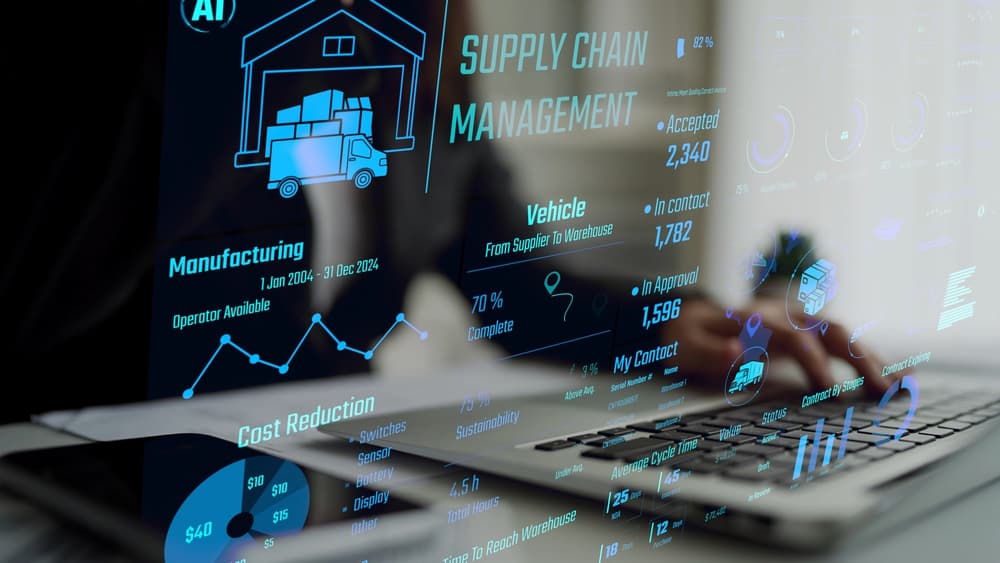
Start by defining your needs and asking potential providers how they use data to optimise operations, including dashboards, predictive analytics, and data governance. Look for measurable results through case studies or client testimonials, and consider data specialists if you need custom systems.
Here’s a quick guide to refer to.
What to look for
- Demonstrated use of data: Examples of improved efficiency, cost savings, or better customer service.
- Analytics capabilities: Use of dashboards, business intelligence tools, and demand forecasting.
- Data governance and quality: Policies to ensure accurate, secure data.
- Client testimonials and case studies: Evidence of real-world success.
- Customisation: Ability to tailor reporting to your KPIs.
How to find providers
- Search Australian 3PLs or smart warehouses that mention data analytics, AI, or automation.
- Work with supply chain consultants to evaluate providers.
- Use platforms that help find data warehousing specialists for in-house solutions.
Questions to ask potential partners
- What systems and tools do you use?
- How will I access my data?
- How do you track accuracy, speed, and productivity?
- How do you use data to improve operations continuously?
Choose a Data-Savvy Warehouse Partner
Data analytics is a game changer for warehouse management, helping businesses operate smarter, faster, and at lower cost.
By using insights to optimise layout, improve workflows, and manage inventory, you can reduce errors, save money, and deliver better service to your customers. When choosing a warehouse or 3PL partner, look for providers who prioritise transparency, actionable insights, and continuous improvement.
Take the next step: partner with Effective Logistics to access expert guidance, smarter data-driven solutions, and the performance your business needs to grow. Contact us on 03 8376 3300 or visit our services page to get started.